1. The sixth sense
The technology described in this ted talk was absolutely amazing. Watching the video made me feel as though I was watching a demonstration of technology from far in the future, but the truth of the matter is that this type of technology is being developed right now, and it is very real, as proved in the video. Widespread and public use of that kind of technology would be groundbreaking--changing many of our basic electronic habits, essentially. It would be amazing to dial a phone number using the palm of your hand or snap a picture with your fingertips. Hopefully this technology makes it's public debut soon.
2. The Math Magician
When we first started watching this video, I thought that it would be uninteresting because I'm not the biggest fan of math. But when the math magician began well, working his magic, I was quickly drawn in by his amazing skill. It's mind-boggling how anyone could make calculations as quickly and accurately as he did--all in his head. It was a great and entertaining video.
Friday, March 22, 2013

Thursday, March 7, 2013
Race issues in America: African American oppression?
Many regard America as a "post-racial society" and claim that blacks, and minorities in general, have equal opportunities as whites. For the most part, in comparison to the pre-Civil War America that valued racism and slavery, this is true--but race is still an ubiquitous issue in the United States, and this country has a long way to go before race issues are completely eliminated. Now, not only are there still lingering signs of prejudice from outside the black race, but there is oppression from within it too.
If some argue that racism is dead, situations like the Trayvon Martin tragedy offer excellent dispute. In February 2012, the 17-year-old Florida teen was walking home from the convenience store when the gated neighborhood's self-appointed watchman, George Zimmerman, fatally shot him in the chest. Zimmerman claimed that he acted out of self-defense, but witnesses argued that Zimmerman had seen Martin in a black hoodie, pursued him, and shot him. The racism even extends into the legal scope of the case. "[Zimmerman's] father calls up, the ex-magistrate? He calls up. Then the state prosecutor comes to the police station to talk and the lead detective wants to arrest the guy and he says no. And now we're getting the demonisation of the kid. He was this, he was that, he wore his pants down," said novelist and Nobel laureate Toni Morrison. After killing an innocent and defenseless boy, Zimmerman should have immediately been arrested, but he wasn't. If the roles were changed and a black man killed a white boy, sadly, he probably would not have received mercy from the legal system.
This plays into the fact in general that the US criminal justice system is pitted against black men. According to Fifth International, "blacks who are arrested are seven times more likely to be imprisoned than whites; they are sentenced to death four times more often than whites, and the average prison sentence is 10 months longer for black men than for white men." These are statistics that aren't easily noticeable, but are very real nonetheless, and they provide evidence that through not-so-obvious ways, racism is being kept alive in America.
On the other hand, blacks are also being oppressed by a group that is surprising to say the least--themselves. According to Capitalism Magazine, "Too many blacks do remain oppressed, but not by white Americans. Rather, it is by blacks who relish a perverse sub-culture of low standards and perpetual victimization. No longer do white racists tell black children books are for white people. Today, black people do this. Every day, black children suffer ridicule and disgrace for doing their homework, behaving in class, striving for excellence — in short, “acting white.”" Blacks have learned through the lessons in their history books and the teachings of their elders that the white man is the enemy, and it in turn distorts blacks' attitude towards the white man. Educated behavior and proper language has come to be widely identified with being "white" in the black community, pitting the blacks that act "black" against blacks that act "white." Even more disturbing is the "dark-skinned versus light-skinned" debate that has been prevalent among black youth--the notion that "light-skinned" blacks tend to be prettier and think that they are better than "dark-skinned" blacks. At this point, it is no longer white America that is drilling these ideas into black children's heads; it is the black children themselves, and through this, blacks are showing to the rest of the world that even after they have gained their freedom and equal rights, they are still incapable of wholly positive growth and unification as a people.
It is probably unfair to completely fault blacks for their present circumstances--after all, they are scarred as a race from their brutal and unforgiving past, and some may say that they have a right to feel the way they feel and their behavior should be excused. But it shouldn't--blacks have the potential to do better, and shouldn't subject themselves to victimization and self-pity. The slavery and black history of America shouldn't be put out of the minds of current day African Americans, but neither should it be an excuse for self-degradation. Blacks need to be more unified than ever to overcome the racial prejudice that undoubtedly still exists today, and progress positively as one.
If some argue that racism is dead, situations like the Trayvon Martin tragedy offer excellent dispute. In February 2012, the 17-year-old Florida teen was walking home from the convenience store when the gated neighborhood's self-appointed watchman, George Zimmerman, fatally shot him in the chest. Zimmerman claimed that he acted out of self-defense, but witnesses argued that Zimmerman had seen Martin in a black hoodie, pursued him, and shot him. The racism even extends into the legal scope of the case. "[Zimmerman's] father calls up, the ex-magistrate? He calls up. Then the state prosecutor comes to the police station to talk and the lead detective wants to arrest the guy and he says no. And now we're getting the demonisation of the kid. He was this, he was that, he wore his pants down," said novelist and Nobel laureate Toni Morrison. After killing an innocent and defenseless boy, Zimmerman should have immediately been arrested, but he wasn't. If the roles were changed and a black man killed a white boy, sadly, he probably would not have received mercy from the legal system.
This plays into the fact in general that the US criminal justice system is pitted against black men. According to Fifth International, "blacks who are arrested are seven times more likely to be imprisoned than whites; they are sentenced to death four times more often than whites, and the average prison sentence is 10 months longer for black men than for white men." These are statistics that aren't easily noticeable, but are very real nonetheless, and they provide evidence that through not-so-obvious ways, racism is being kept alive in America.
On the other hand, blacks are also being oppressed by a group that is surprising to say the least--themselves. According to Capitalism Magazine, "Too many blacks do remain oppressed, but not by white Americans. Rather, it is by blacks who relish a perverse sub-culture of low standards and perpetual victimization. No longer do white racists tell black children books are for white people. Today, black people do this. Every day, black children suffer ridicule and disgrace for doing their homework, behaving in class, striving for excellence — in short, “acting white.”" Blacks have learned through the lessons in their history books and the teachings of their elders that the white man is the enemy, and it in turn distorts blacks' attitude towards the white man. Educated behavior and proper language has come to be widely identified with being "white" in the black community, pitting the blacks that act "black" against blacks that act "white." Even more disturbing is the "dark-skinned versus light-skinned" debate that has been prevalent among black youth--the notion that "light-skinned" blacks tend to be prettier and think that they are better than "dark-skinned" blacks. At this point, it is no longer white America that is drilling these ideas into black children's heads; it is the black children themselves, and through this, blacks are showing to the rest of the world that even after they have gained their freedom and equal rights, they are still incapable of wholly positive growth and unification as a people.
It is probably unfair to completely fault blacks for their present circumstances--after all, they are scarred as a race from their brutal and unforgiving past, and some may say that they have a right to feel the way they feel and their behavior should be excused. But it shouldn't--blacks have the potential to do better, and shouldn't subject themselves to victimization and self-pity. The slavery and black history of America shouldn't be put out of the minds of current day African Americans, but neither should it be an excuse for self-degradation. Blacks need to be more unified than ever to overcome the racial prejudice that undoubtedly still exists today, and progress positively as one.
Works Cited
Brockes, Emma.
"Trayvon Martin Death Raises Issue of Racism in America, Says Toni
Morrison." The Guardian. Guardian News and Media, 13
Apr. 2012. Web. 07 Mar. 2013.
White, Dana.
"Blacks Remain Oppressed, But Not By White Americans." Capitalism Magazine. Capitalism Magazine,
07 July 2003. Web. 07 Mar. 2013.
"The
Oppression of Black People in the USA Today | League for the Fifth
International."League for the Fifth International. League for the
Fifth International, 10 Feb. 2008. Web. 07 Mar. 2013.
Best and Worst New Innovations
Best:
1. Solar powered cell phone charging
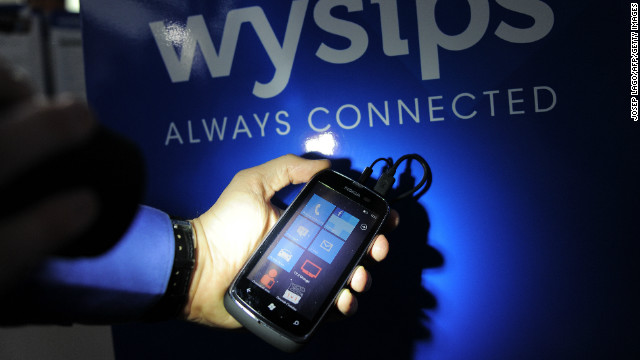 People gripe and complain about their dying phones and lost chargers all the time. From long road trips with no car chargers to forgetting to charge up overnight, it can be a nuisance trying to keep your phone charged. The fact that smartphones, with their limitless and often battery-draining capabilities, are replacing the old-fashioned "brick phones" doesn't help. Solar powered charging would be a huge leap forward in the world of technology, and people with phones everywhere would surely appreciate it.
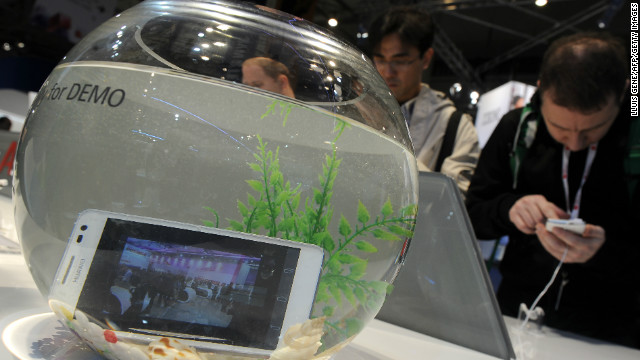 2. Waterproof smartphones
Dropping a $300 dollar smartphone in water is probably everyone's worst nightmare--many warranties don't cover water damage. So to have that fear eliminated may turn a lot of people on to the idea of buying a waterproof smartphone. A waterproof phone probably also means more durability, and given the fragility of most smartphones, that would probably also give this phone some points.
3. GPS-enabled walking stick
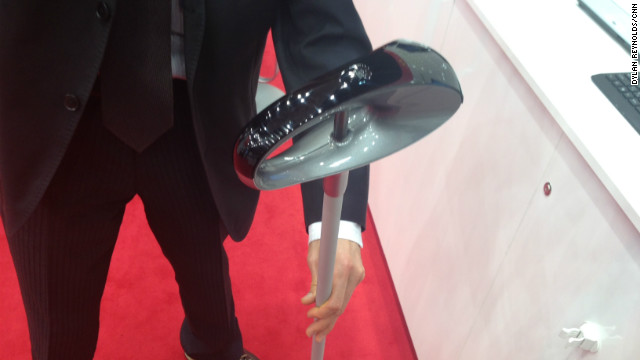
In a time where the baby boomers are growing older, this innovation is a smart one. It may seem far-fetched, but I think that a walking stick with GPS capabilities as well as the ability to summon emergency services and allow medics to track the walker's movements would be a good invention for the elderly. It would let relatives worry less about the well-being of the senior citizen, or whoever it is with the walking problem.
Worst:
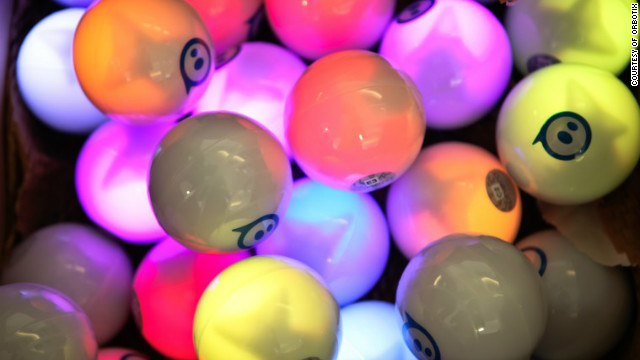 1. Robotic Balls
The robotic balls don't seem to have much of a point, so they're number 1 on the list of innovations that I think will be least successful. All that was explained about them is that they are bluetooth-enabled and that they will have something to do with augmented reality games, but it doesn't seem like they will generate much of a buzz or be a hit in the technology world or the real world.
 2. Paddle
Paddle seems a lot like Paypal, where your information is stored in your account and purchases made through it. Both systems have a good idea behind them, but Paddle is just a repeat of something that we already have. It may attract a few users, but I don't think that it will make and large strides since we do already have something similar.
 3. YotaPhone
There doesn't seem to be anything groundbreaking about a phone with two screens except the fact that now there is double the possibility of cracking them. With mobile phone screen sizes expanding and retina displays improving, there's no need for two screens--I mean, it's a cool idea, but kind of pointless. It just doesn't really stand out.
Thursday, February 28, 2013
The best parts of being a teenager
Being a teenager is an exciting, confusing and sometimes frustrating thing. During this time, we become trapped in that awkward stage between childhood and adulthood, sometimes being pulled in both directions, unsure of where to go. For every up, there is a down, but for the most part, being a teenager is pretty sweet.
Sometimes, being half-kid and half-adult isn't such a bad thing. It's ironic how we rush growing up when we're young, but long for the playful innocence of childhood when we're older. Everett Oliver, high school senior, says, "The best part about being a teenager is being able to be a kid and adult at the same time." Oliver couldn't have put it better; even though we know that we'll have to face the responsibilities of ultimate adulthood eventually, we still cherish the advantage of being old enough to have certain freedoms and make certain decisions, but young enough to still have the ability to be carefree every once in a while.
Our teen years are also when we begin to wonder and figure out who we are and what we believe in. According to Sydney Burdin, high school socialite, "Being a teenager allows you to meet a lot of different people and discover who you are." We make connections with people who share our interests and really start to learn about ourselves. We take the time to dig deeper, and as a teenager, that can be very exciting.
Even though we sometimes look back, looking forward is something that all teenagers spend a good portion of their time doing. We realize our potential and understand that we have the rest of our lives to do something worth living for. This is definitely one of the best parts of being a teenager.
The independence of teenager-hood is something that all kids look forward to. The leash we were held on as kids may not be gone, but it is loosened. Faith Rucker, 17 year old teenager, says "the best part of being a teenager is having more freedom than you were allowed when you were younger." Although we may not be completely independent, it feels good knowing that we can do things that we once weren't allowed to do.
Certainly one of the best aspects of being a teenager is, simply, the experience of being a teenager. The new hurdles we face and the adventures we get to embark on make the entire ride worth it.
It's not always a sunny day in the land of teenagers, though. Where there is good, there is bad, and vice versa. Although being half kid, half grown-up has its perks, it can sometimes be frustrating and confusing. Jordan Davis, high school senior, says, "We are treated like kids but expected to act like adults." Being pulled in these two completely different directions is what makes teens want to set childhood behind them forever. But, it's just a part of growing up.
Being a teenager is something that we all go through differently, but surely learn a lot from. For some it's a dark time; for others, it's the time of their lives. Either way, there is both good and bad in teenager-hood, and it's surely something to remember.
Sometimes, being half-kid and half-adult isn't such a bad thing. It's ironic how we rush growing up when we're young, but long for the playful innocence of childhood when we're older. Everett Oliver, high school senior, says, "The best part about being a teenager is being able to be a kid and adult at the same time." Oliver couldn't have put it better; even though we know that we'll have to face the responsibilities of ultimate adulthood eventually, we still cherish the advantage of being old enough to have certain freedoms and make certain decisions, but young enough to still have the ability to be carefree every once in a while.
Our teen years are also when we begin to wonder and figure out who we are and what we believe in. According to Sydney Burdin, high school socialite, "Being a teenager allows you to meet a lot of different people and discover who you are." We make connections with people who share our interests and really start to learn about ourselves. We take the time to dig deeper, and as a teenager, that can be very exciting.
Even though we sometimes look back, looking forward is something that all teenagers spend a good portion of their time doing. We realize our potential and understand that we have the rest of our lives to do something worth living for. This is definitely one of the best parts of being a teenager.
The independence of teenager-hood is something that all kids look forward to. The leash we were held on as kids may not be gone, but it is loosened. Faith Rucker, 17 year old teenager, says "the best part of being a teenager is having more freedom than you were allowed when you were younger." Although we may not be completely independent, it feels good knowing that we can do things that we once weren't allowed to do.
Certainly one of the best aspects of being a teenager is, simply, the experience of being a teenager. The new hurdles we face and the adventures we get to embark on make the entire ride worth it.
It's not always a sunny day in the land of teenagers, though. Where there is good, there is bad, and vice versa. Although being half kid, half grown-up has its perks, it can sometimes be frustrating and confusing. Jordan Davis, high school senior, says, "We are treated like kids but expected to act like adults." Being pulled in these two completely different directions is what makes teens want to set childhood behind them forever. But, it's just a part of growing up.
Being a teenager is something that we all go through differently, but surely learn a lot from. For some it's a dark time; for others, it's the time of their lives. Either way, there is both good and bad in teenager-hood, and it's surely something to remember.
Subscribe to:
Posts (Atom)